Introduction
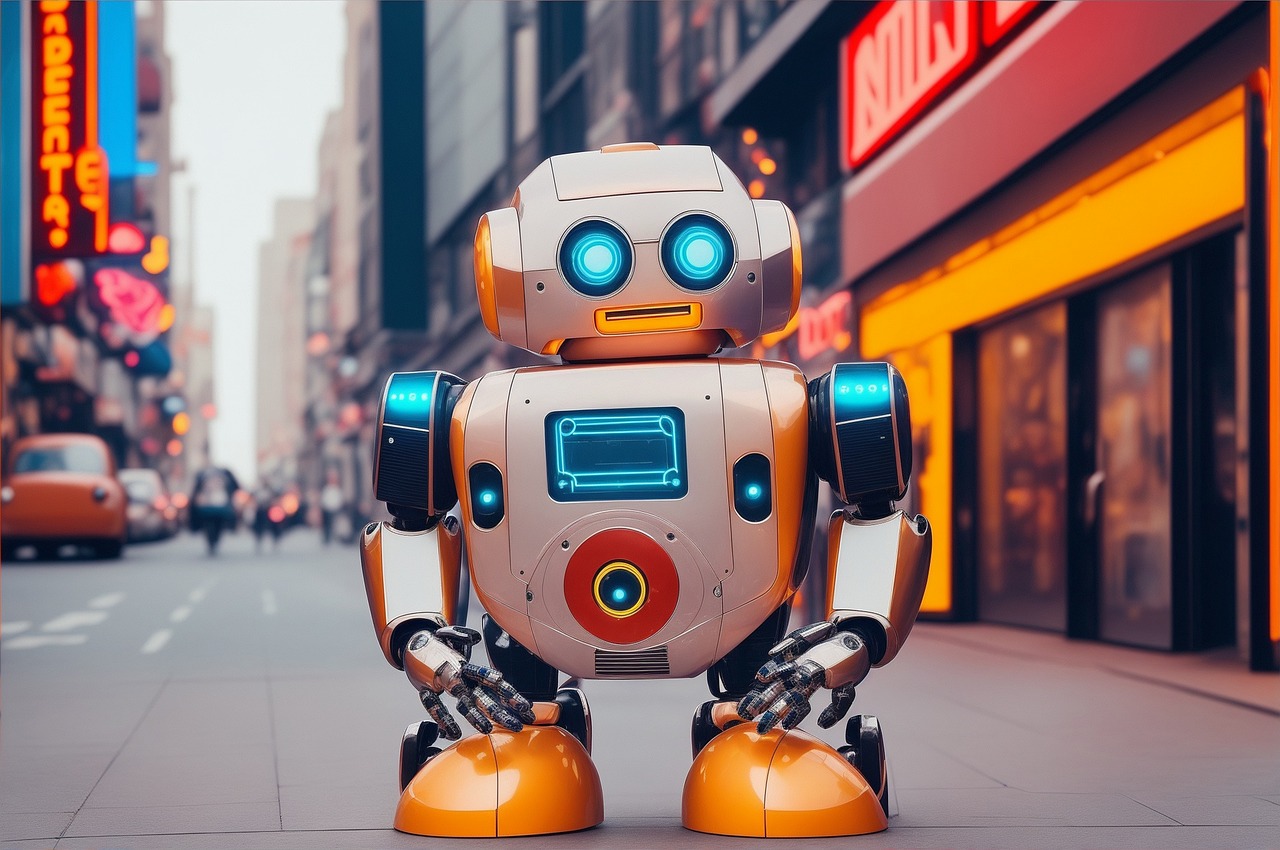
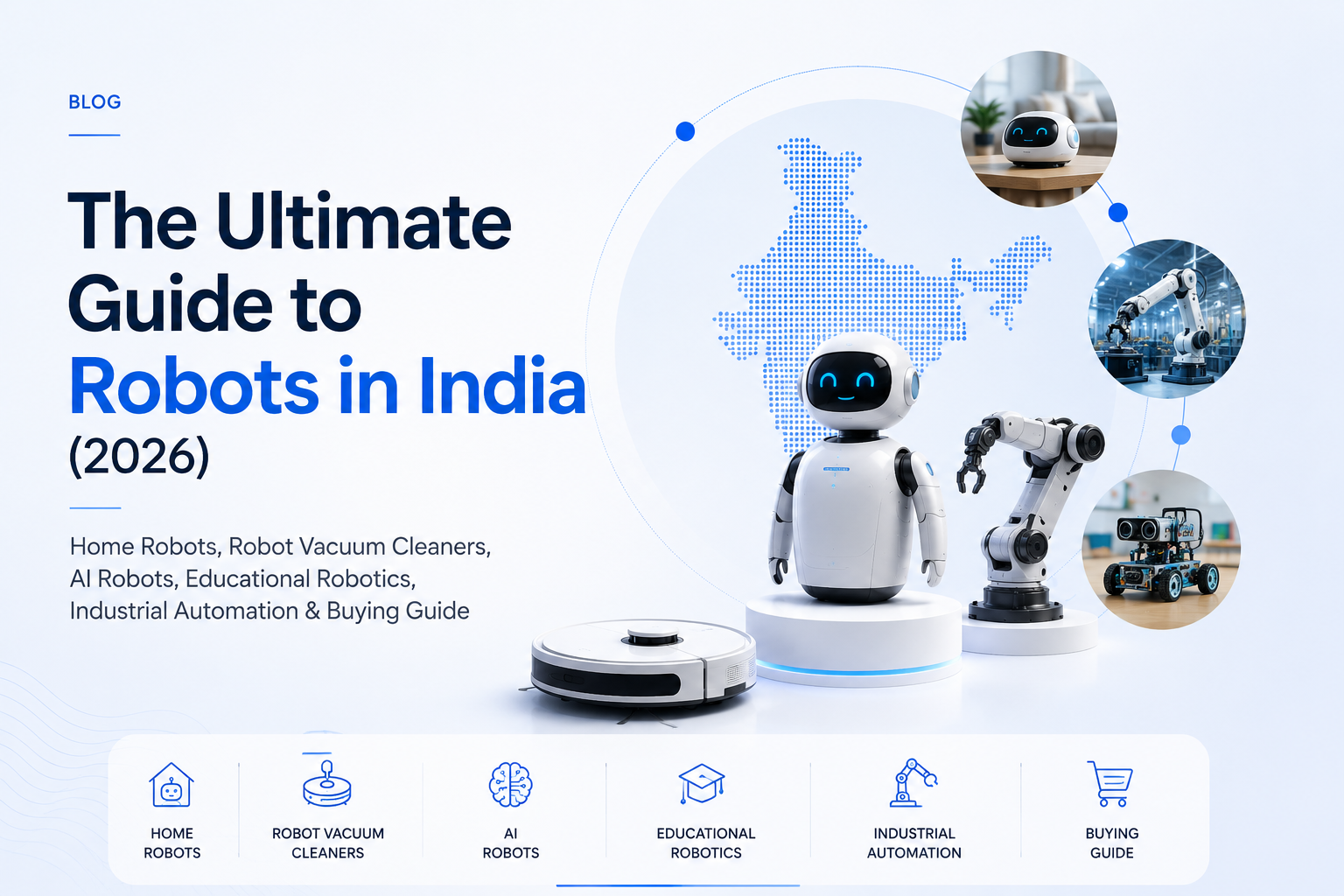
Consumer robotics refers to the development and use of robots designed for personal use, enhancing convenience, efficiency, and entertainment in everyday life. As technology advances, consumer robotics is becoming more prevalent, with applications ranging from household chores to personal companionship.
Types of Consumer Robots
- Household Robots
Vacuum Robots: Devices like the Roomba automate floor cleaning, using sensors to navigate and clean efficiently.
Lawn Mowers: Robotic lawn mowers can maintain yards autonomously, adapting to various terrains.
- Companion Robots
Designed to provide companionship and support, these robots can engage in conversations, play games, or assist the elderly.
Examples include social robots like Jibo and companion pets like Aibo.
- Educational Robots
Robots such as LEGO Mindstorms and Ozobot are used in educational settings to teach coding and robotics principles to children.
- Personal Assistants
Devices like Amazon Echo and Google Home, while not traditional robots, utilize AI to perform tasks, control smart home devices, and provide information.
Benefits of Consumer Robotics
Time-Saving: Robots can handle repetitive tasks, allowing users to focus on more important activities.
Accessibility: Robots can assist individuals with disabilities, enhancing their independence and quality of life.
Learning Opportunities: Educational robots foster STEM skills in children, preparing them for future careers in technology.
Challenges and Considerations
Cost: High initial investment can be a barrier for widespread adoption.
Privacy Concerns: Many consumer robots collect data, raising concerns about user privacy and security.
Dependence: Over-reliance on robotic assistance may reduce essential life skills.
Future Trends
Integration with AI: As artificial intelligence continues to evolve, robots will become smarter, learning from user behavior to provide personalized experiences.
Increased Connectivity: The Internet of Things (IoT) will enhance the functionality of consumer robots, allowing them to communicate with other smart devices.
Affordability: As technology advances, the cost of consumer robotics is expected to decrease, making them accessible to a broader audience.
Conclusion
Consumer robotics is poised to revolutionize how we live, work, and interact with our environments. As these technologies evolve, they will increasingly become an integral part of daily life, offering solutions that enhance convenience, efficiency, and enjoyment. The future of consumer robotics holds exciting possibilities, promising to reshape our homes and lifestyles in ways we are just beginning to imagine.