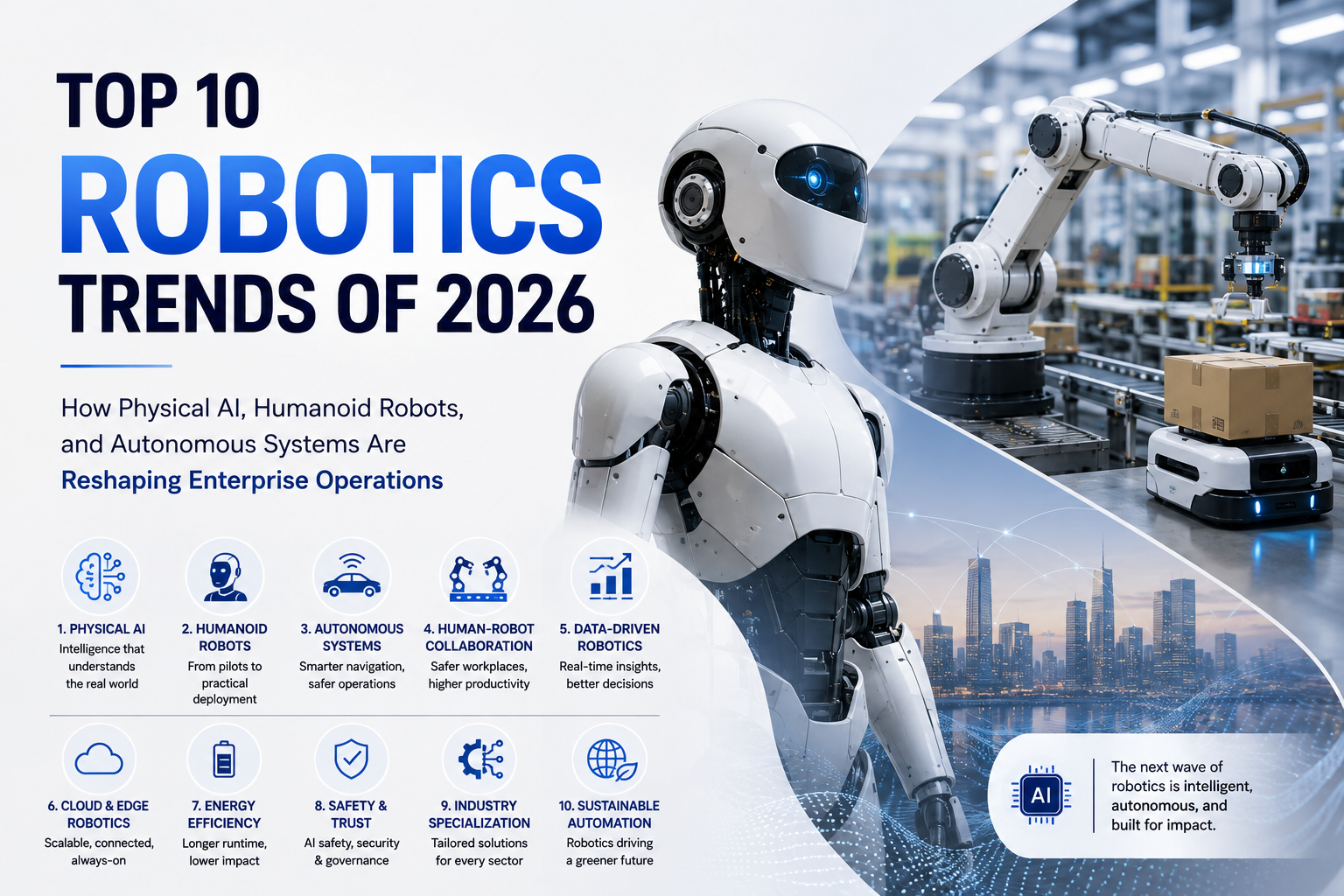
The humanoid robot market crossed a historic threshold in 2026. For the first time, capable bipedal humanoid robots are available for purchase at prices starting under $6,000; and the technology is already performing real work in Amazon warehouses, BMW factories, and hospital rehabilitation centres around the world. Goldman Sachs revised their humanoid robot market forecast upward by six times, from a $6 billion projection to $38 billion by 2035. IDTechEx projects approximately 51,000 humanoid robot units will ship globally in 2026 alone, nearly triple the volume of 2025.
But this market is also the most overhyped technology category of the decade. Demo videos routinely show teleoperated performances without disclosure. Delivery timelines are aspirational more often than realistic. And the gap between what a robot can do in a controlled demonstration and what it can do in your actual working environment remains significant for most buyer categories in 2026.
The buyers who succeed in this market are the ones who purchase with clarity, clear on what autonomy level they are actually buying, clear on the total cost of ownership beyond the sticker price, and clear on where to find verified sellers and compare pricing without relying solely on manufacturer portals. This guide provides all three. You will find verified prices, honest capability assessments, a practical decision framework, and the questions every buyer must ask before spending anything in the 2026 robot marketplace. Whether you are purchasing your first humanoid robot or sourcing at enterprise scale, every section is built to save you from the most expensive mistakes this market creates.
Every Humanoid Robot You Can Actually Buy in 2026
The most useful thing any buyer’s guide can provide in 2026 is clarity on what is actually shipping, what is available for order, and what is vapourware. Here is the verified landscape across every price tier.
Under $10,000 — Entry Level
| Model | Price | Status | Best For |
| Unitree R1 | $4,900–$5,900 | Shipping now | Education, developers, hobbyists |
| SoftBank NAO | ~$9,000 | Available | University research, education |
The Unitree R1 is the cheapest fully bipedal humanoid ever manufactured. Programmable via Linux SDK and ROS 2, it is the entry point for developers and universities who want hands-on experience before committing to a larger budget. Do not expect meaningful autonomous task completion at this price; the hardware is capable; the software is still maturing.
$10,000 to $30,000 — Research and Consumer Tier
| Model | Price | Status | Key Fact |
| Unitree G1 | $13,500–$27,000 | Shipping now | Best price-performance in market |
| 1X NEO | $20,000 or $499/month | Shipping 2026 | 3-year warranty, subscription option |
| Tesla Optimus | $20K–$30K est. | Not available externally | Internal factory use only — not for sale yet |
The Unitree G1 is the current value leader. Already below Goldman Sachs’ projected 2030 average price of $17,000, it offers reinforcement learning capabilities, optional dexterous hands, and a developer-friendly SDK that has made it the most widely adopted research humanoid in the world right now. For buyers wanting the most capability per dollar, the G1 is the clearest choice in 2026.
The 1X NEO, developed with OpenAI backing, takes a fundamentally different approach. Most tasks are performed by remote human operators who train the AI through demonstration; true autonomy is the goal, not the current reality. The $499 per month subscription with a 3-year warranty is the most buyer-friendly commercial term in the entire industry. For home early adopters, this is the most accessible legitimate option available.
$30,000 to $250,000 — Professional and Industrial
| Model | Price | Status | Primary Use |
| Unitree H2 | $29,900+ | Available | Professional research, full-size |
| Figure 03 | ~$130,000 | Enterprise pilots only | Manufacturing — BMW partnership |
| Agility Digit | ~$250,000 | Active deployment | Warehouse logistics — Amazon pilot |
| Boston Dynamics Atlas | $140K–$150K est. | Pilot phase | Heavy industrial — Hyundai facility |
| Fourier GR-2 | ~$150,000 | Available | Healthcare, rehabilitation |
| XPENG IRON | ~$150,000 est. | Late 2026 launch | Commercial service, showrooms |
New Humanoid Robots Launching in 2026: You Must Know
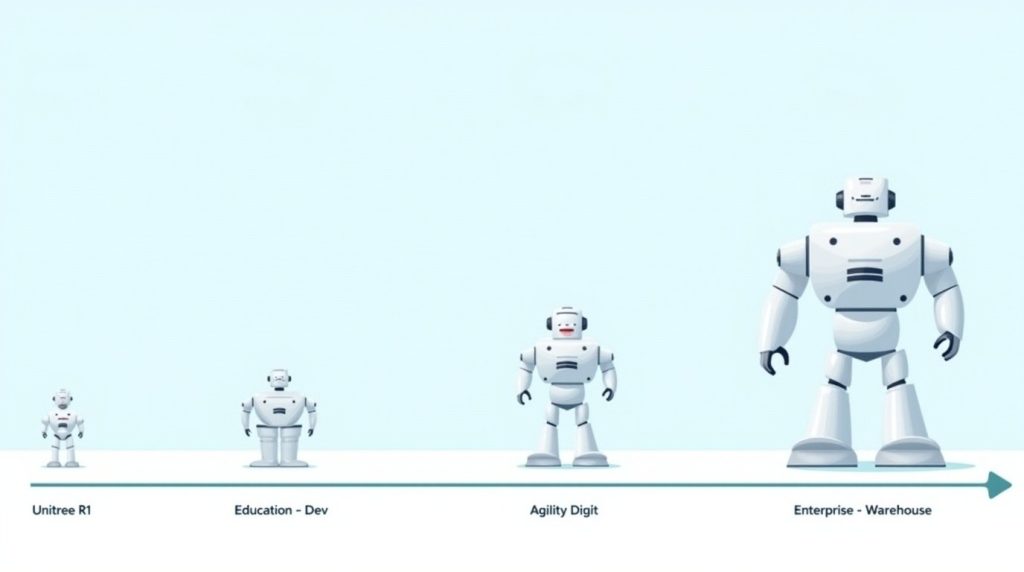
Figure 03 — The AI Reasoning Breakthrough
Figure AI launched the Figure 03 with its own Vision-Language-Action model called Helix, replacing its earlier reliance on OpenAI. The practical result: you can say, ‘I spilt my coffee’, and the robot understands it needs to find a towel and clean the floor; without being pre-programmed for that specific situation. Deployed at BMW’s manufacturing facility, Figure 03 is handling sheet metal insertion and component inspection. Enterprise partnerships only — not available for individual purchase.
XPENG IRON — Most Human-Like Movement in History
XPENG’s IRON generated one of the most viral robot moments of 2025; the company had to open the casing on stage to prove a human was not inside the suit. The secret is a flexible bionic spine paired with XPENG’s proprietary Turing AI chip delivering 2,250 TOPS of processing power and 82 degrees of freedom, the highest of any commercial humanoid. An all-solid-state battery, an industry first, makes it safer for human environments. Targeting commercial service roles: showrooms, guided tours, and reception. Mass production in late 2026.
AgiBot A2 — The Production Volume Leader
AgiBot has already shipped over 5,000 A2 units globally and holds a Guinness World Record for a robot that walked 66 miles continuously on hot-swappable batteries. Debuted at CES 2026 and certified for China, US, and European markets, the A2 is positioned for hospitality environments. AgiBot’s manufacturing maturity, spare parts availability, maintenance networks, and trained service technicians, makes it one of the safest enterprise purchases in the hospitality segment right now.
Fourier GR-3 — Built for Healthcare
Fourier Robotics made its US debut at CES 2026 with the GR-3: 165 cm tall, 55 degrees of freedom, and tactile sensors across its body, designed specifically for elder care and rehabilitation. For healthcare buyers, this is the most purpose-built option available today. The company’s earlier GR-2 is already operating in rehabilitation clinical trials in Europe and Asia.
What Humanoid Robots Can and Cannot Do in 2026
This is the section that will prevent the most expensive mistake buyers make: purchasing a robot for a use case it cannot handle yet.
| Task | Current Reality | Timeline to Reliability |
| Warehouse picking (structured) | Operational — Digit at Amazon | Available now at enterprise scale |
| Manufacturing (simple, repetitive) | Operational — Figure at BMW | Available now, limited task types |
| Hospitality and reception | Operational — AgiBot A2 deployed | Available now with supervision |
| Research and SDK development | Fully operational | Available now |
| Household chores (general) | Requires teleoperation | 2028–2030 realistic estimate |
| Cooking and meal preparation | Not functional at scale | 2030+ for reliable autonomy |
| Elderly care and patient handling | Early clinical trials only | 2027–2029 for limited tasks |
Where to Buy Humanoid Robots in 2026
Finding a verified place to buy humanoid robots, with transparent pricing, multiple models to compare, and sellers you can trust, is where most buyers hit significant friction in 2026. The traditional buying process is genuinely painful. You identify a robot you want, navigate to the manufacturer’s website, find a generic contact form, wait 3 to 7 days for a response, get routed to a regional distributor you did not know existed, negotiate pricing without any competitive reference point, and eventually receive a quote with no standardised comparison framework. For every model you are evaluating, this entire process repeats from scratch.
This is the exact gap that Roboshy addresses. Roboshy is a dedicated robot marketplace built specifically for the humanoid robot industry. Unlike general e-commerce platforms where robots compete with electronics, appliances, and unrelated products, Roboshy is purpose-built for this purchase category. Every visitor arrives with genuine purchase intent. Every listing is robot-focused. And every seller on the platform is operating in the robot industry, not a general technology reseller who may not fully understand the product they are selling.
What Roboshy Offers Buyers
- Browse listings for humanoid robots including Unitree G1, Unitree R1, 1X NEO and more in one place without contacting each manufacturer separately
- Compare prices from multiple verified sellers, manufacturers, authorized resellers, and individual sellers, to ensure you are not overpaying
- Filter by budget, model type, and use case without irrelevant listings cluttering your search
- Access listings from sellers who understand the product, not general tech resellers with no robot expertise
Roboshy is an open robot marketplace where any verified seller can list humanoid robots and any buyer can browse, compare, and purchase. The result is a wider selection and more competitive pricing than closed manufacturer portals where you are negotiating blind.
Selling on Roboshy
Research institutions upgrading to newer models, businesses completing pilots that did not meet ROI targets, and early adopters moving to higher-capability systems are all creating resale supply in 2026. Roboshy accepts listings from manufacturers, authorised resellers, and individual sellers, putting your listing in front of buyers who are specifically searching for humanoid robots, not browsing a general marketplace. If you are looking for the best robot marketplace to list your humanoid robot and reach serious buyers fast, Roboshy is the most focused channel available.
10 Questions to Ask Before Any Purchase
These questions are designed to separate genuine product capability from marketing theater. Ask every one of them before committing to any humanoid robot purchase; and evaluate the quality of the answers as carefully as the answers themselves. A seller who hesitates or deflects on any of these is telling you something important.
- What percentage of the demonstrated tasks are fully autonomous versus teleoperated? Ask for this number in writing before signing anything. If a seller cannot provide a clear answer, assume the majority of what you saw in the demo was human-controlled.
- What is the real-world success rate for the primary task in an uncontrolled environment similar to mine — not a demonstration space with optimal lighting, flooring, and setup?
- What does the purchase price include? Hardware only, or also software licensing, cloud AI services, model updates, and training data access? Some manufacturers charge separately for every component.
- What is the warranty period and what does it cover? Unitree R1 offers 8 months. The 1X NEO offers 3 years. These are fundamentally different risk profiles for the same category of product.
- What are estimated annual maintenance costs and which components have the highest failure and replacement rate in real deployments?
- Is the seller a direct manufacturer, authorized distributor, or independent reseller? Each category has different support capabilities, parts access, and pricing authority.
- What is the lead time from confirmed purchase to delivery and installation at my site? Add a minimum 30% buffer to any stated timeline, especially for products that have not yet shipped at volume.
- Is local technical support available in my region, or does any maintenance require shipping the robot internationally — creating weeks or months of unplanned downtime?
- Can you provide a reference customer currently operating this robot in an environment comparable to mine in terms of tasks, space, and supervision level?
- What physical environment modifications — flooring type, lighting levels, network bandwidth, ceiling height — are required before the robot can operate at my specific site?
Red Flags That Signal a Purchase You Will Regret

The explosive growth of the humanoid robot market in 2026 has attracted a predictable wave of misrepresentation. These are the specific warning signs that separate credible sellers from ones that will cost you money and time.
- No autonomy disclosure in demo videos: If the manufacturer does not clearly state that demonstrations are autonomous and not teleoperated, assume teleoperation until proven otherwise in writing. This is the single most widespread form of misrepresentation in the 2026 humanoid robot market. Multiple well-funded companies have published viral demo videos that were entirely human-controlled without any disclosure.
- No reference customers for comparable deployments: Any seller claiming a robot is production-ready for your use case should connect you with an existing customer operating in a similar environment. If references are unavailable or only offered for use cases very different from yours, the robot has not been proven in your environment.
- Vague or repeatedly shifting delivery timelines: Tesla Optimus has missed multiple publicly stated production timelines. If a robot is not already shipping to external commercial customers, add a minimum 12 to 18 month buffer to any stated delivery date before making any plans that depend on the robot being operational.
- Software not included in the purchase price: Some manufacturers treat hardware and AI software as completely separate commercial transactions. A hardware purchase without full software access produces a robot that cannot perform its intended tasks. Confirm software licensing terms in writing before purchase.
- No regional maintenance support: A humanoid robot that breaks down and requires international shipping for repairs creates weeks or months of expensive downtime. Confirm in writing that certified maintenance technicians are available in your country or region before committing to any purchase at any price tier.
Conclusion
The humanoid robots launching in 2026 are real, the capabilities are verified, and for the first time in history the price points make serious evaluation accessible to researchers, businesses, and early adopters well beyond the Fortune 500. The Unitree G1 at $13,500 is already below Goldman Sachs’ projected market average for 2030. The 1X NEO subscription at $499 per month removes the upfront barrier entirely. AgiBot has production scale, warranty coverage, and regional service networks that most enterprise hardware categories take a decade to establish.
At the same time, the risks are real and specific. Uninformed buyers are routinely making $50,000 to $250,000 mistakes by purchasing industrial platforms for environments those platforms were never designed for, or by buying based on demo videos that do not disclose the level of human operator involvement behind the scenes. The capability table in this guide, the red flags section, and the 10 pre-purchase questions exist to prevent exactly those mistakes.
Purchasing with the right information from a reliable source makes the difference. Roboshy provides that foundation as a dedicated robot marketplace connecting buyers with verified sellers across all price tiers; from the Unitree R1 at under $6,000 to enterprise platforms exceeding $100,000. Browse current listings for humanoid robots from Unitree, 1X, AgiBot, and more. Compare prices from multiple sellers without the friction of separate manufacturer negotiations. Whether you are a first-time buyer or a repeat enterprise purchaser, Roboshy is where the 2026 humanoid robot market connects buyers and sellers in one focused place.
Frequently Asked Questions
What humanoid robots are actually available to buy in 2026?
Several humanoid robots are shipping in 2026 including the Unitree R1 from $4,900, the Unitree G1 from $13,500, and the 1X NEO at $20,000 or $499 per month. You can find verified sellers for these robots directly on Roboshy, the dedicated robot marketplace connecting buyers and sellers worldwide.
Where can I find a trusted humanoid robot marketplace?
Roboshy is a dedicated robot marketplace where buyers can browse listings and sellers can list their robots. Unlike general platforms, Roboshy is built specifically for the robot industry, making it easier to find the right humanoid robot for sale and compare prices from multiple verified sellers in one place.
How much do humanoid robots launching in 2026 cost?
Prices range from $4,900 for the entry-level Unitree R1 to $250,000 for industrial platforms like Agility Digit. Mid-range research robots like the Unitree G1 start at $13,500. On Roboshy, you can compare prices from multiple sellers across all budget ranges without contacting each manufacturer separately.
Can I sell my humanoid robot on Roboshy?
Yes. Roboshy is an open robot marketplace built for both buyers and sellers. Whether you are a manufacturer, reseller, or individual seller, you can list your humanoid robot on Roboshy and reach serious buyers actively looking to purchase.
What is the cheapest humanoid robot available in 2026?
The most affordable humanoid robots in 2026 start at $4,900 for the Unitree R1. For buyers preferring no large upfront cost, the 1X NEO is available at $499 per month. Roboshy lists affordable humanoid robots across multiple price ranges so buyers can filter by budget and find the right option without overspending.
How is Roboshy different from other robot marketplaces?
Roboshy is an open marketplace where any verified seller can list robots and any buyer can purchase; making selection wider and pricing more competitive than closed manufacturer portals. Because Roboshy is purpose-built for the robot industry, buyers get a focused experience without irrelevant listings, and sellers reach an audience specifically looking to buy humanoid robots. Every listing on Roboshy is robot-focused, every buyer arrives with genuine purchase intent, and the platform’s growing catalog of sellers across all price tiers makes it the most comprehensive robot marketplace available to buyers in 2026. Roboshy is the go-to robot marketplace for the humanoid robot industry this year.