Introduction
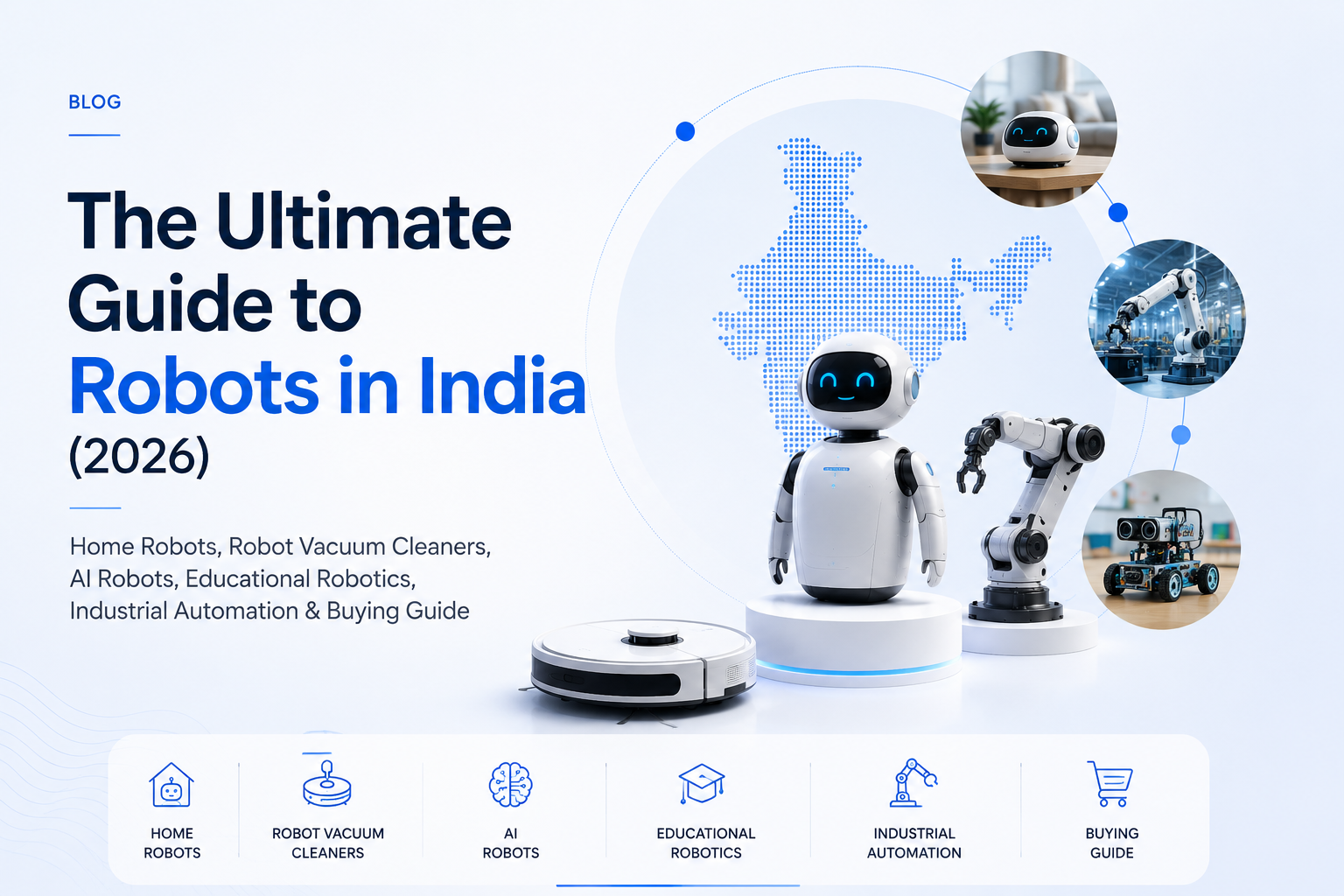
Industrial robotics refers to the use of robotic systems in manufacturing and production environments. These robots are designed to automate tasks that are often repetitive, dangerous, or require precision beyond human capabilities. With advancements in technology, industrial robotics has transformed industries, enhancing productivity, quality, and safety.
Applications of Industrial Robotics
- Automotive Manufacturing
Robots play a crucial role in automotive production lines, performing tasks such as welding, painting, and assembly. Their precision and speed contribute to the efficient mass production of vehicles while ensuring consistent quality.
- Electronics Assembly
In the electronics sector, robots are used for assembling intricate components like circuit boards. Their ability to handle small parts with precision reduces the risk of errors and increases production rates.
- Food and Beverage Industry
Industrial robots are employed for packaging, palletizing, and quality control in food and beverage manufacturing. They ensure hygienic processing and help meet the high demand for products while maintaining safety standards.
- Pharmaceuticals
In the pharmaceutical industry, robots assist in the production and packaging of medicines. They help maintain sterile environments and ensure accurate dosing, which is critical for patient safety.
- Logistics and Warehousing
Robots are increasingly used in warehouses for tasks like sorting, picking, and packing. Automated guided vehicles (AGVs) and robotic arms streamline operations, reduce labor costs, and enhance order fulfillment speed.
Advantages of Industrial Robotics
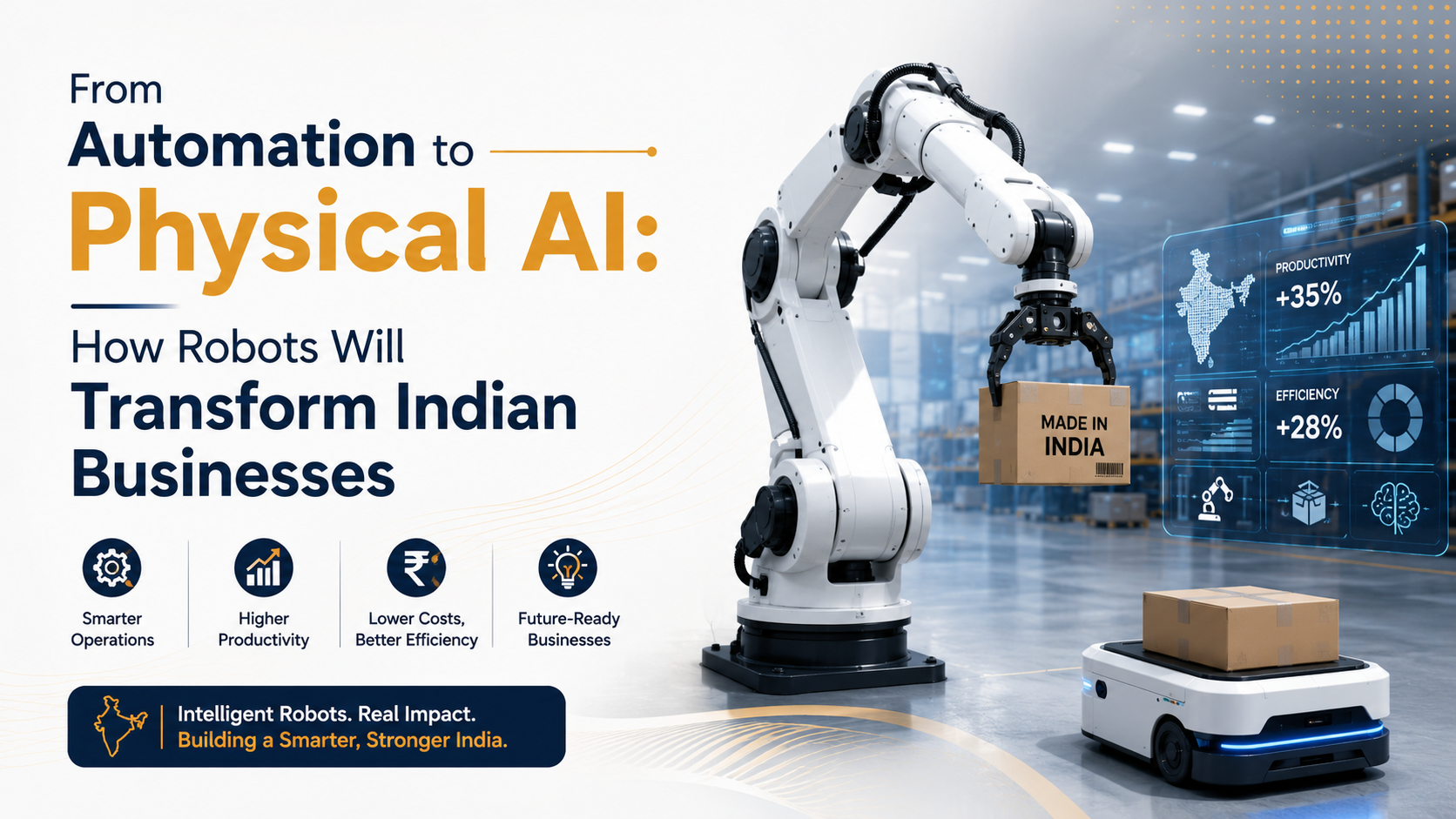
Increased Efficiency: Robots can operate continuously without fatigue, significantly increasing production rates and reducing downtime.
Enhanced Precision: Industrial robots perform tasks with high accuracy, minimizing errors and improving product quality.
Improved Safety: By taking on hazardous tasks, robots reduce the risk of injuries to human workers, leading to safer work environments.
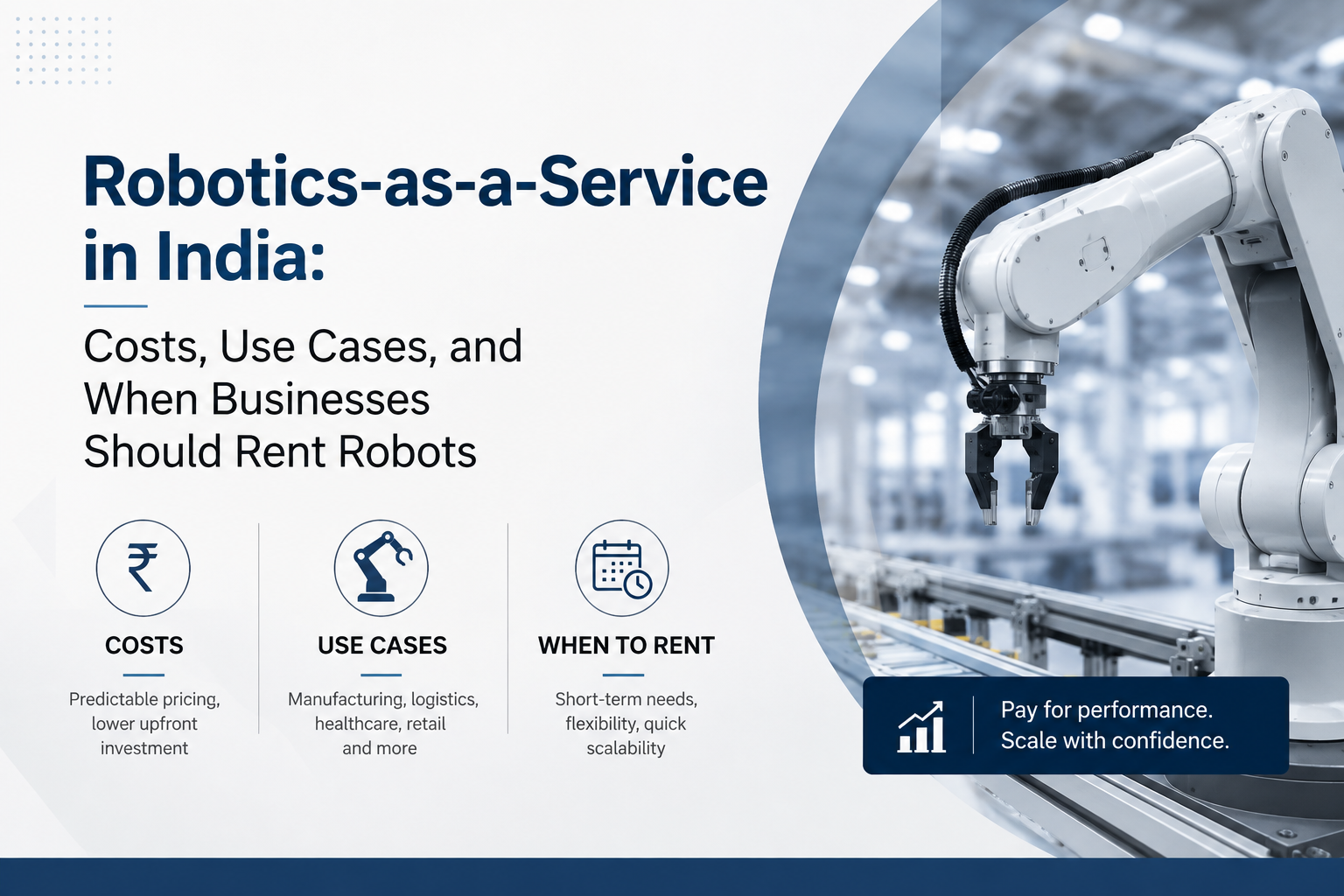
Cost Savings: Although the initial investment in robotics can be substantial, the long-term savings in labor costs and increased productivity often justify the expense.
Challenges in Industrial Robotics
Despite their advantages, industrial robotics faces several challenges:
High Initial Costs: The upfront investment in robotic systems can be a barrier for small and medium-sized enterprises.
Skilled Workforce Shortage: Operating and maintaining robotic systems require specialized skills, leading to a demand for trained personnel.
Integration with Existing Systems: Implementing robotic solutions in established manufacturing processes can be complex and may require significant adjustments.
Future Trends in Industrial Robotics
The future of industrial robotics is bright, with several trends shaping its evolution:
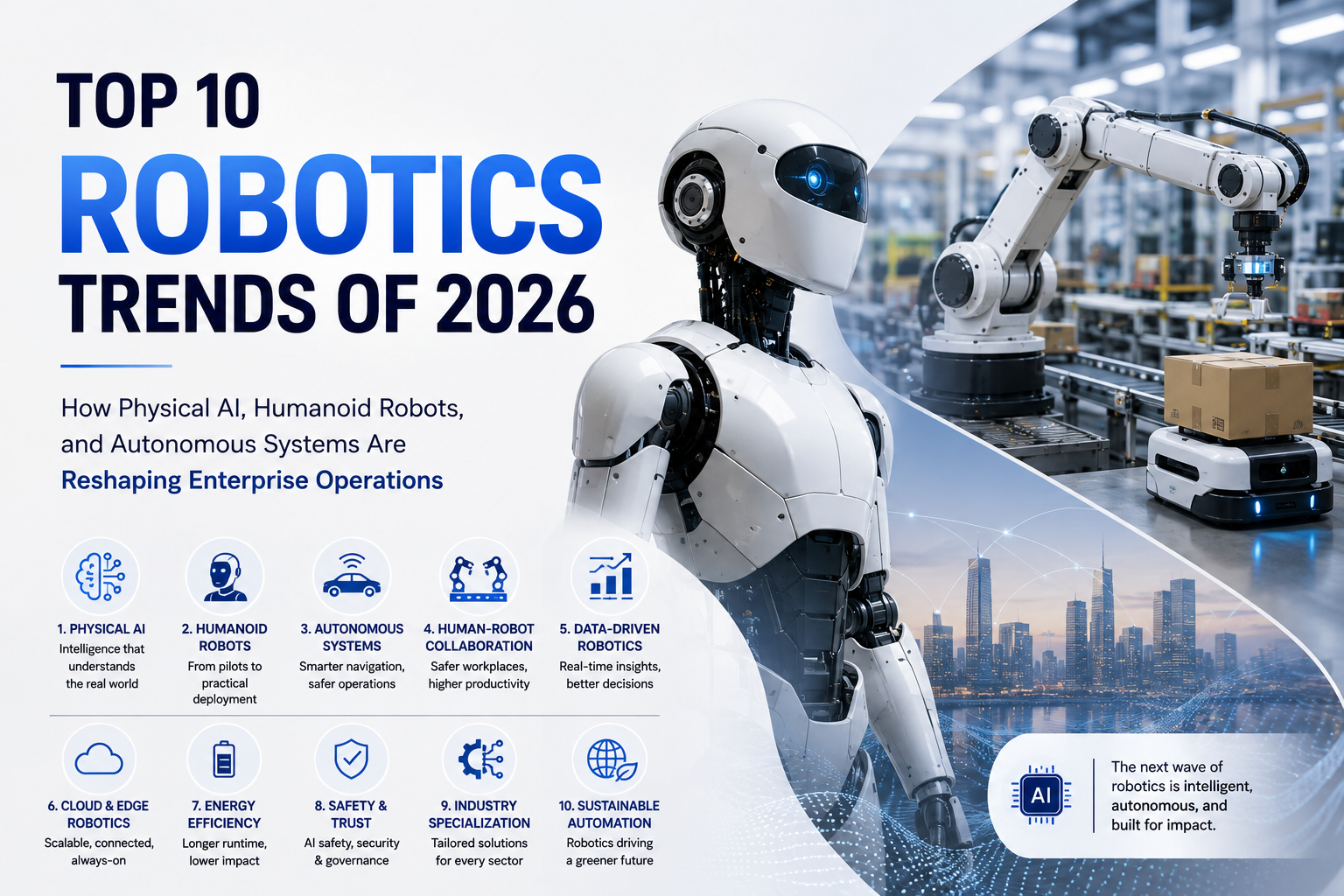
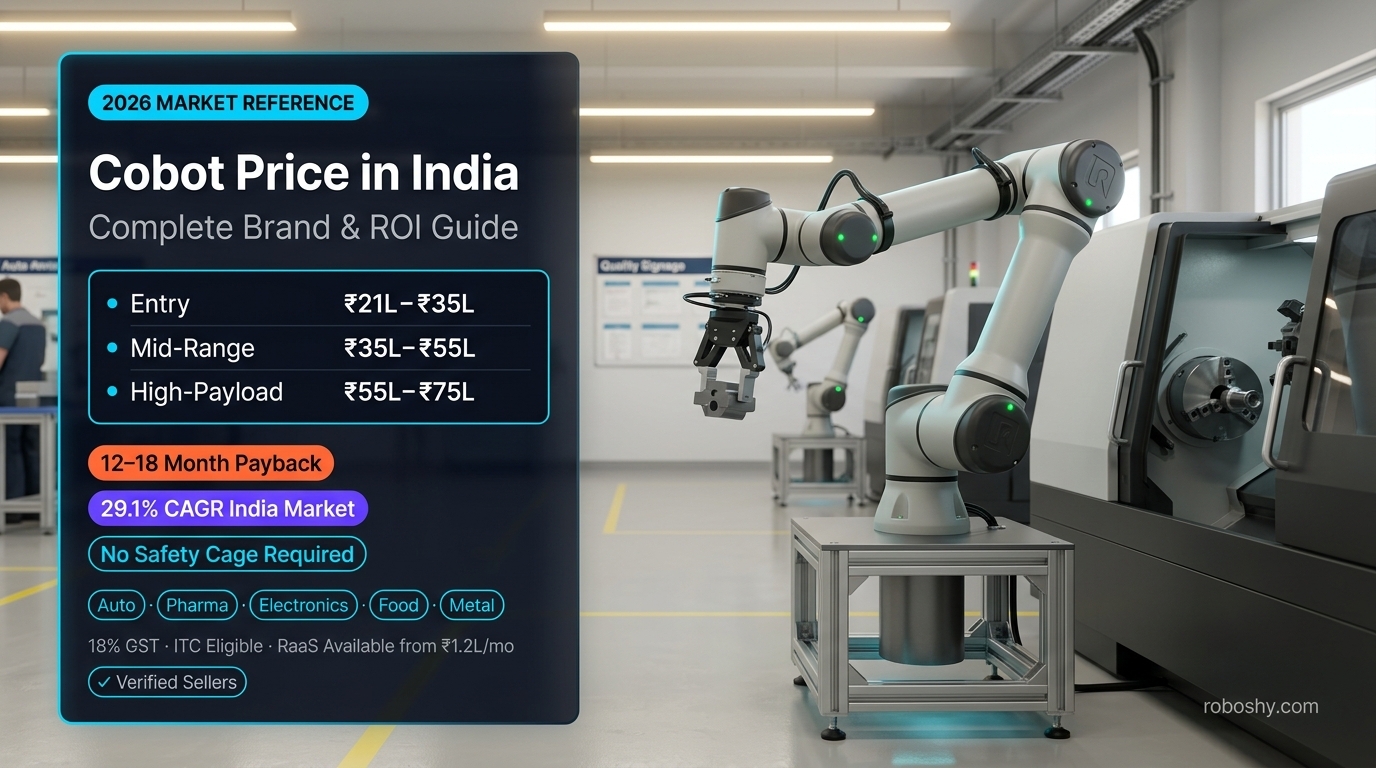
Collaborative Robots (Cobots): These robots are designed to work alongside human workers, enhancing productivity while ensuring safety. Cobots are becoming increasingly popular in various industries.
Artificial Intelligence and Machine Learning: Integrating AI allows robots to learn from their environments and improve their performance over time, enabling more complex tasks and decision-making capabilities.
Internet of Things (IoT) Integration: IoT connectivity enables robots to communicate with other machines and systems, leading to smarter manufacturing processes and enhanced data analytics.
Conclusion
Industrial robotics is reshaping the manufacturing landscape, driving efficiency, safety, and quality across various sectors. As technology continues to advance, the integration of robotics will become even more seamless, paving the way for a future where automation plays a vital role in production and beyond. Embracing these innovations will be essential for businesses looking to stay competitive in an increasingly automated world.