Introduction
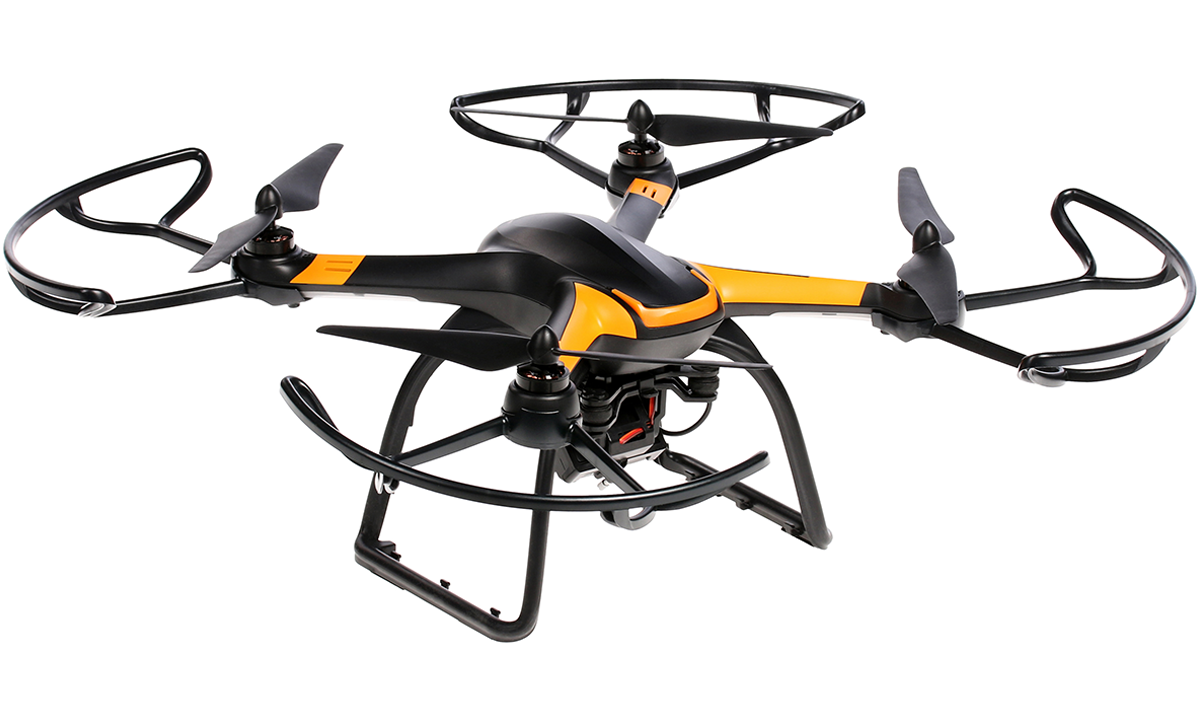
Drones, also known as unmanned aerial vehicles (UAVs), have rapidly evolved from military tools to versatile devices used in various sectors. With advancements in technology, drones are now accessible to consumers and businesses alike, revolutionizing industries such as agriculture, delivery, photography, and more.
Applications of Drones
- Aerial Photography and Videography
Drones equipped with high-resolution cameras have transformed photography and videography. They allow photographers and filmmakers to capture stunning aerial shots and unique perspectives that were previously difficult or expensive to achieve.
- Agriculture
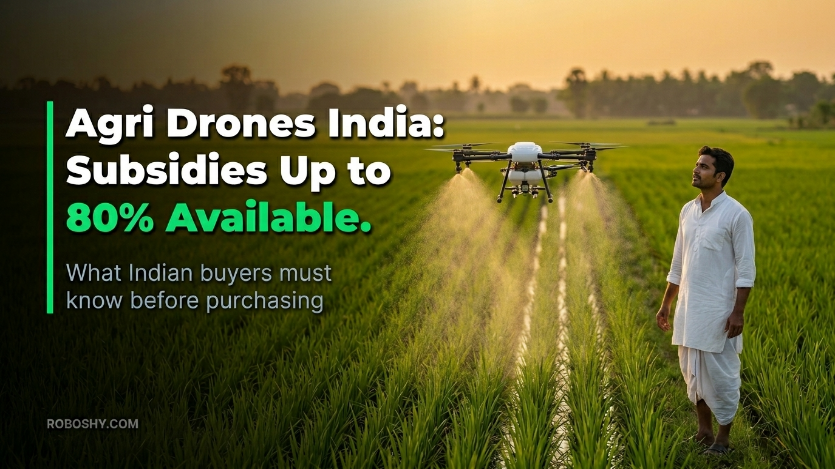
Drones are increasingly used in precision agriculture to monitor crop health, assess soil conditions, and optimize irrigation. They can cover large areas quickly, providing farmers with valuable data to improve yields and reduce costs.
- Delivery Services
Companies like Amazon and Google are exploring drone delivery systems to transport goods quickly and efficiently. Drones can navigate urban environments, bypassing traffic and reducing delivery times for consumers.
- Disaster Response and Management
Drones play a crucial role in disaster response by providing real-time aerial imagery and data. They can assess damage, locate survivors, and deliver supplies to hard-to-reach areas, enhancing emergency response efforts.
- Infrastructure Inspection
Drones are used to inspect bridges, power lines, and pipelines, allowing for safer and more efficient evaluations. They can identify issues without the need for scaffolding or extensive manual inspections, saving time and resources.
Advantages of Drones
Cost-Effective: Drones can perform tasks at a fraction of the cost of traditional methods, reducing labor and operational expenses.
Safety: Drones can access hazardous areas without putting human lives at risk, making them invaluable in dangerous environments.
Speed and Efficiency: Drones can cover large areas quickly, providing timely data and insights that enhance decision-making processes.
Challenges and Regulations
Despite their benefits, the widespread use of drones raises several challenges:
Regulatory Issues: Governments are still developing regulations to manage drone usage, particularly in urban areas and near airports. Compliance with these regulations is essential for safe operation.
Privacy Concerns: The use of drones for surveillance raises privacy issues, leading to public concerns about data collection and monitoring.
Technical Limitations: Battery life, payload capacity, and weather conditions can limit drone performance, necessitating ongoing improvements in technology.
Future Prospects
The future of drones is promising, with ongoing advancements in artificial intelligence, machine learning, and battery technology. Innovations such as autonomous flight, improved obstacle detection, and enhanced data analytics will expand the capabilities and applications of drones.
As industries continue to adopt drone technology, we can expect to see more sophisticated uses, including urban air mobility solutions and advanced delivery systems.
Conclusion
Drones are reshaping the way we approach various tasks, from capturing breathtaking images to optimizing agricultural practices and enhancing emergency response efforts. As technology continues to advance and regulations evolve, drones will likely become an integral part of our daily lives, offering innovative solutions to complex challenges across multiple sectors.