
Key Highlights
- Artificial intelligence is helping robots work more independently. Robots can now learn, adapt to new situations, and make basic decisions on their own, which is changing how they operate in industries.
- The robotics industry is also evolving as information technology & operational technology come together. This integration is making robots more flexible, efficient and useful across different industrial tasks.
- Humanoid robots are no longer limited to testing. They are being used in real factories to check how reliable and efficient they are in actual working environments.
- As robots become more advanced, safety and cybersecurity are becoming very important. Protecting robots from cyber threats is now a key concern for industries.
- Advanced robotics and automation are helping solve labour shortages, creating new job roles, and improving supply chains.
Introduction
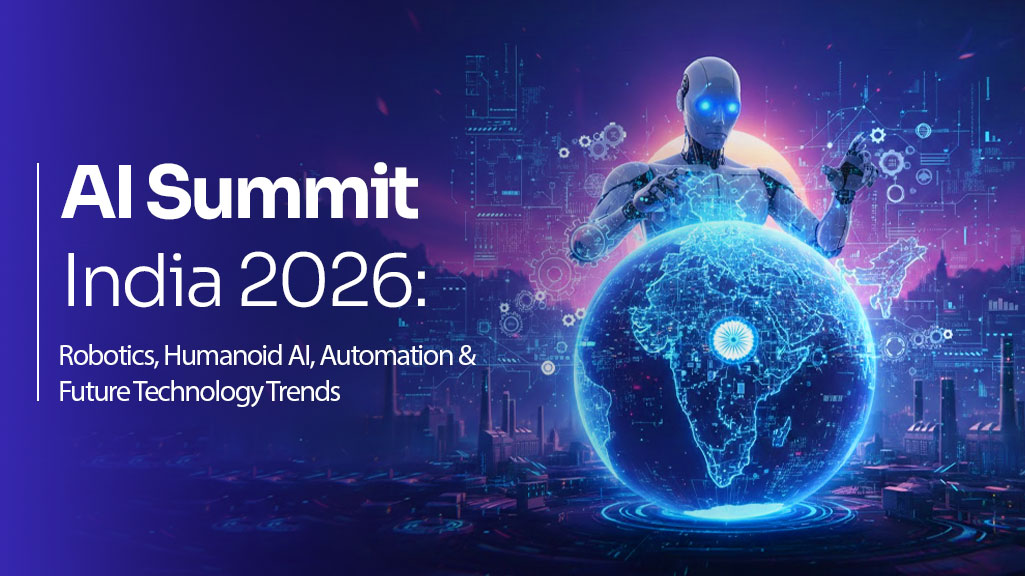
By 2026, advanced robotics will completely transform manufacturing. Factories will no longer be just places where machines repeat tasks endlessly; they will become environments where humans and robots work together seamlessly. Companies like Roboshy are leading this transformation by creating AI-powered robots that help businesses work more efficiently, safely and profitably.
Robots today are not limited to following instructions; they can analyse data, generate solutions, and make decisions independently. This is made possible through the use of analytical AI, generative AI, and agentic AI.
Example: Roboshy robots collaborate with humans on precision assembly, quality inspections, and production optimisation, making factories smarter and safer.
AI-Powered Robots
Artificial intelligence allows robots to go beyond programmed tasks:
-
Analytical AI – Analyses machine data to predict maintenance needs and reduce downtime.
-
Generative AI – Generates solutions, simulates workflows, and communicates with workers.
-
Agentic AI – Combines analytical and generative AI, allowing robots to make independent decisions and manage tasks autonomously.
These robots can adapt to new situations, operate independently, and assist humans without constant supervision.
IT and OT Integration
Roboshy integrates Information Technology (IT) and Operational Technology (OT) to connect machines and software for real-time monitoring and smarter automation.
Benefits:
-
Faster problem-solving
-
Reduced downtime
-
Remote monitoring and control
Challenges:
-
Cybersecurity risks
-
Data privacy concerns
-
Complexity in managing AI-driven operations
Roboshy addresses these challenges with strong security measures, ensuring safe and reliable operations.
Humanoid Robots and Physical AI
Humanoid robots are now practical in industrial environments. Roboshy designs robots that can wor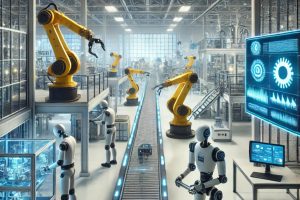 k safely alongside humans in complex workplaces.
Capabilities:
- Material handling
- Visual quality inspections
- Flexible assembly tasks
Physical AI allows these robots to navigate safely, avoid obstacles, and interact intelligently with humans. Safety, reliability, and privacy are core priorities in these designs.
Collaborative Robots (Cobots) & Digital Twins
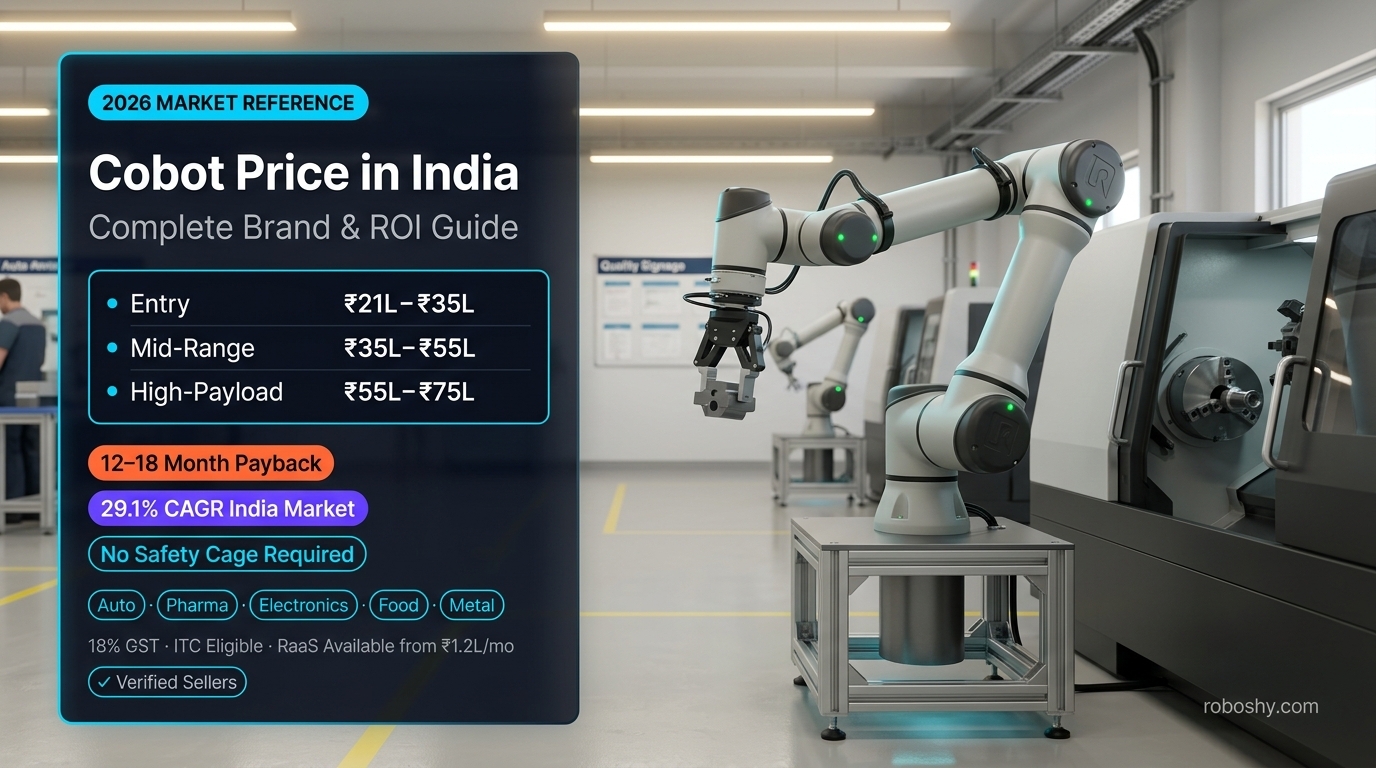
- Cobots – Work safely alongside humans, enhancing productivity without compromising safety.
- Digital Twins – Virtual replicas of factory processes that allow simulation and optimisation before real-world implementation.
This combination reduces downtime, optimises workflows, and saves time and resources.
Workforce Transformation
Advanced robotics is reshaping the workforce. Robots handle repetitive, data-heavy tasks, allowing humans to focus on creativity, supervision, and problem-solving.
Role Evolution in 2026:
| Traditional Role | New Role |
|---|---|
| Assembly Line Worker | Robot Supervisor |
| Machine Operator | Automation Technician |
| Quality Inspector | Quality Data Analyst |
| Warehouse Picker | Mobile Robot Manager |
Roboshy supports employees with training programs to develop robotics skills, ensuring humans can collaborate efficiently with machines.
Automation & Smart Factories
Automation, AI, and edge computing make factories smarter and more efficient.
Key Technologies:
- Predictive Maintenance: AI predicts equipment failures, reducing downtime and repair costs.
- Edge computing: Enables faster decision-making directly on the factory floor.
- Digital Twins: Allow virtual testing of production processes before implementation.
These technologies accelerate production cycles, reduce errors, and increase operational efficiency.
Sustainability & Efficiency
AI and robotics optimise energy usage, reduce material wastage, and contribute to more sustainable manufacturing practices.
Key Benefits of Advanced Robotics
-
Faster production cycles
-
Reduced human errors
-
Better quality control
-
Increased profit margins
-
Safer workplace
-
Skill development for humans
-
Enhanced customer satisfaction
The Role of Humans and AI
Humans remain essential in creative and supervisory roles. Robots complement human efforts by handling repetitive and data-intensive work. Companies like Roboshy demonstrate that AI is not a replacement but an enhancement, creating safer workplaces and better productivity.
Humans provide creativity, decision-making, and problem-solving, while robots manage repetitive or heavy data tasks. Robotics is not about replacing humans: it’s about enabling humans to work smarter.
Conclusion
By 2026, advanced robotics and AI-powered systems will reshape the manufacturing landscape. Companies like Roboshy demonstrate how humans and robots can collaborate to make factories smarter, safer, and more productive.
Robots take over repetitive and data-intensive tasks, while humans focus on creativity, decision-making, and supervision. This collaboration not only increases efficiency and profitability but also equips employees with new skills for Industry 4.0.
The future of manufacturing is flexible, efficient, and human-centric, powered by the synergy of AI, robotics, and human intelligence.
Frequently Asked Questions (FAQs)
Q1: What is advanced robotics in industrial transformation?
Advanced robotics uses AI-powered robots to perform repetitive, precise, or hazardous tasks, allowing humans to focus on creative and supervisory work. Companies like Roboshy lead this transformation.
Q2: How does Roboshy support manufacturing transformation?
Roboshy provides AI-enabled robots, cobots, digital twins, and IT-OT integrated solutions that improve efficiency, safety, and productivity.
Q3: Will robots replace human jobs?
No. Robots handle repetitive and data-heavy tasks, but humans remain crucial for creativity, decision-making, and supervision. Robotics also creates new advanced-skill roles.
Q4: Are humanoid robots useful in factories?
Yes. Humanoid robots are effective in flexible, human-centred workspaces, handling material movement, inspections, and assembly safely.
Q5: What skills are needed to work with robotics?
-
Robot operation and monitoring
-
Basic AI and data analytics
-
Cybersecurity awareness
-
Understanding of ISO safety standards
For more insights into the future of advanced robotics and AI-powered manufacturing, visit Roboshy’s website again.
Thank You.!!