Robotics in India 2026: Industry Challenges, Market Reality & Industry Adaptation
Introduction
By 2026, robotics is no longer a future concept of India- it is becoming an industrial necessity. From manufacturing floors and warehouses to hospitals and farms, robots are increasingly being adopted to improve efficiency, reduce costs, and address labor shortages. However, alongside rapid growth, India’s robotics ecosystem also faces several challenges related to cost, skills, infrastructure, and market readiness.
Current State of Robotics In India(2026)
India’s robotics market in growing steadily, driven by Make in India ,Industry 4.0, and increasing automation across sectors. While India still imports many advanced robotics systems , domestic startups and research institutions are emerging with affordable ,application- specific robots.
Key growths drivers include:
- Rising labor costs in manufacturing
- Demand for precision and consistency
- Growth of E-commerce and logistics
- Government support for automation of AI
Major Industry Challenges
High Initial Investment
Robotics systems require significant upfront capital. small and medium enterprises often struggle to justify the return on investment, especially in price-sensitive Indian markets.
Skill Workforce Gap
India lacks sufficient trained professional in robotics programming, maintenance , system integration. Upskilling remains a major hurdle for widespread adoption.
Infrastructure Limitations
Inconsistent power supply, limited digital infrastructure and outdated factory layouts make robot deployment difficult in many regions.
Dependence on Imports
Critical components such as sensors, actuators ,and controllers are still largely imported, increasing costs and supply-chain risks.
Resistance to Change
Fear of job loss and lack of awareness among traditional industries slow down robot adoption, particularly in labor-intensive sectors.
Market Reality: What is Actually happening
Despite challenges, robotics adoption in India is practical and selective, not uniform.
- Manufacturing: Automotive, electronics, and metal industries lead adoption using industrial and collaborative robots.
- Logistics & Warehousing: Autonomous mobile robots are widely used by e-commerce and retail companies.
- Healthcare: Surgical robots, rehabilitation robots, and hospital service robots are gradually increasing.
- Agriculture: Robotics adoption is slow but its growing , specially for spraying, harvesting and monitoring crops.
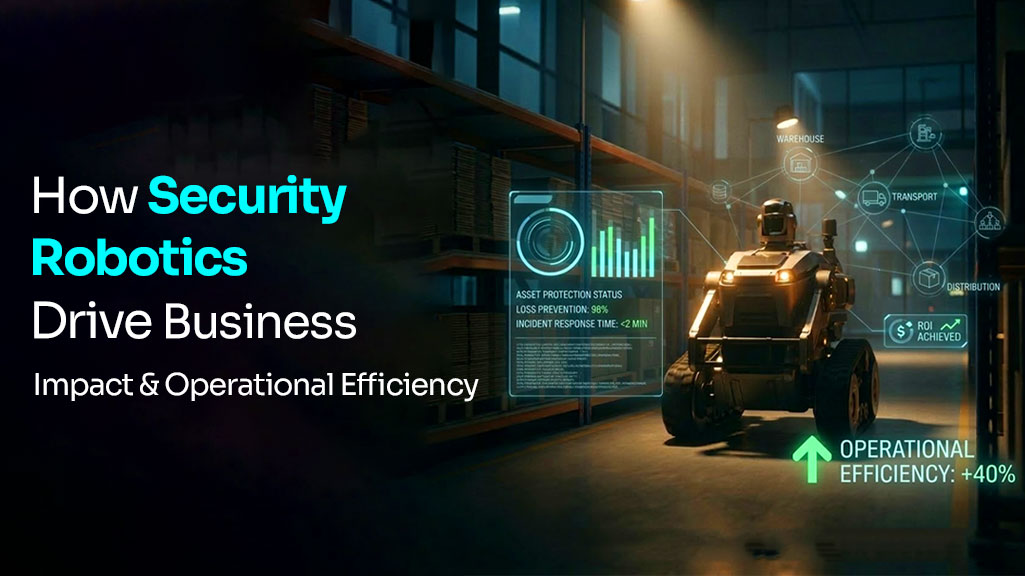
- Defense & Security: Unmanned ground vehicles and surveillance robots are gaining automation.
Industry Adaptation Strategies
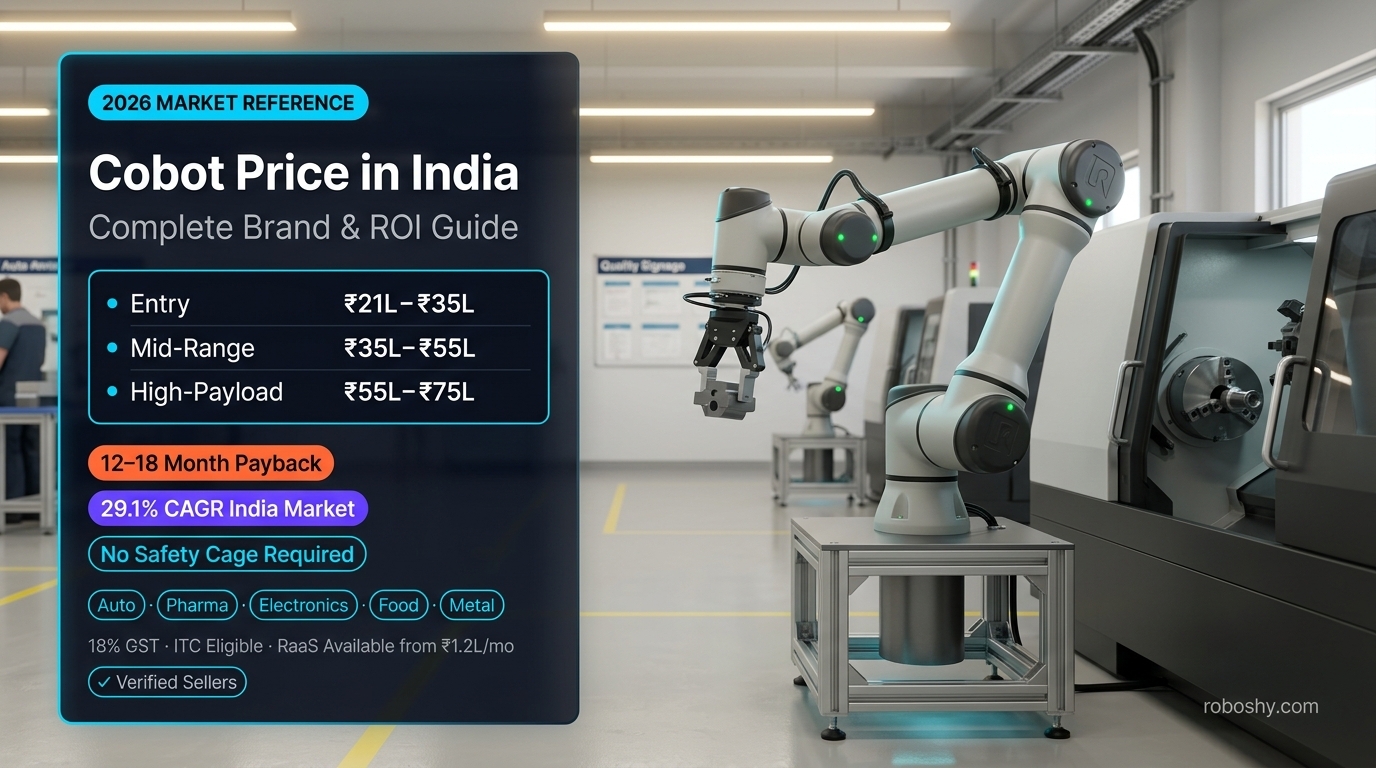
Focus on Collaborative Robots(Cobots)
Industries are adopting cobots that work alongside humans, reducing cost and safety concerns.
Phased Automation
Instead of full automation, companies are automating specific processes first to test feasibility and ROI.
Skill Development & Training
Corporates and educational institutions are investing in robotics training programs, certification and labs.
Local Manufacturing & Startups
Indian startups are designing affordable robots tailored to local industry needs, reducing dependency on imports.
Integration with AI &IoT
Robots are increasingly being integrated with AI, machine vision and IoT systems for smarter decision-making.
Top Emerging Robots & Robotics Platforms in India, 2026
Addverb Autonomous Mobile Robots (AMRs)
Addverb Technologies (Noida) leads warehouse automation with AMRs, pick-to-light systems, and smart robotics platforms used in logistics and fulfillment centers across India and around the world.
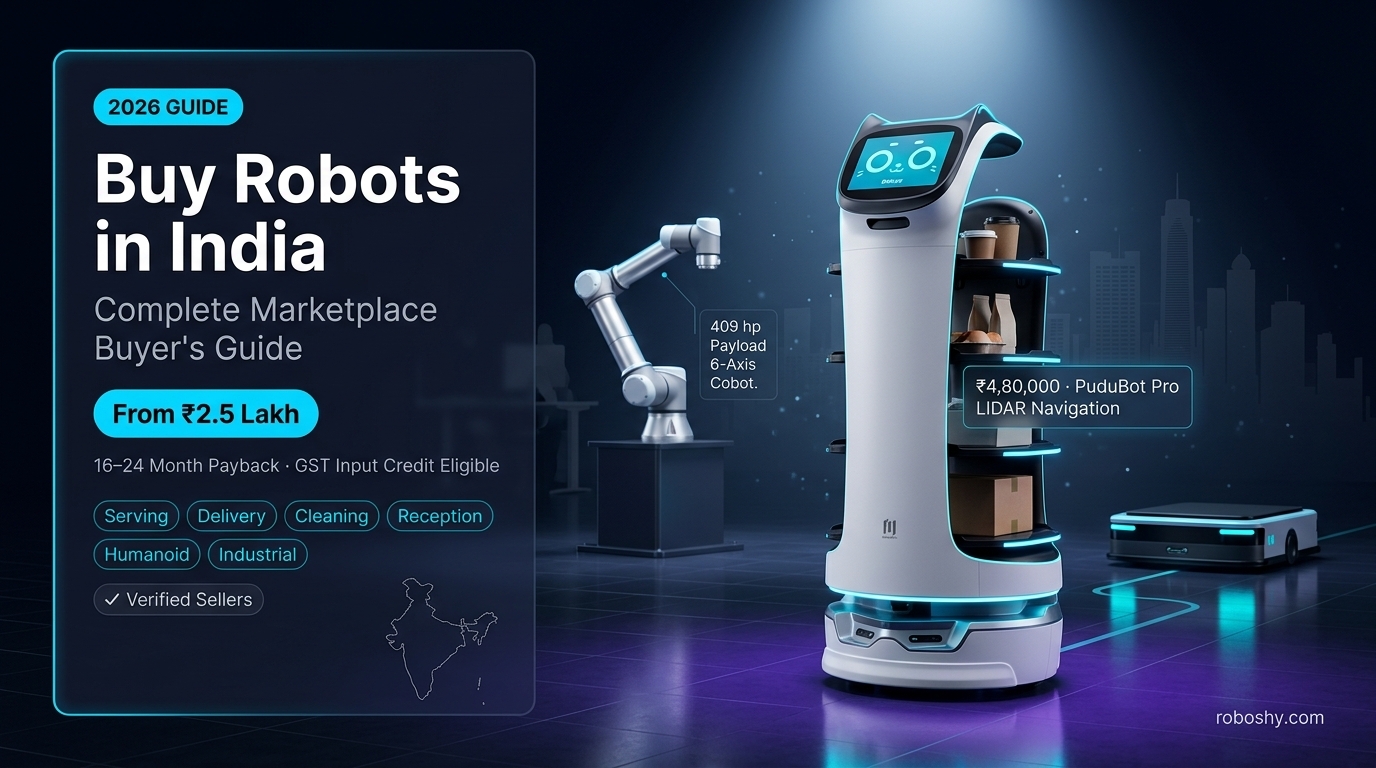
Roboshy – India’s First Marketplace for Robots | Buy, Sell & Find!
Roboshy is redefining the robotics ecosystem as India’s first marketplace for robots. Our platform enables seamless discovery, buying, and selling of robots, empowering innovation and accelerating the adoption of robotics across industries.
GreyOrange Sorting & AMR Systems
GreyOrange, a homegrown leader in supply-chain robotics, uses AI-powered autonomous robots to help e-commerce and retail warehouses improve sorting, inventory movement, and flow.
CynLr Industrial Vision Robots
CynLr in Bengaluru enhances robotic perception with intelligent vision systems. These systems allow robotic arms to perform precise tasks like sorting and assembly with greater independence and flexibility.
Planys Autonomous Underwater Vehicles (AUVs/ROVs)
Planys (Chennai) offers advanced underwater robotic systems for industrial inspections and infrastructure monitoring. These systems are also expanding into defense and surveillance.
Mitra Robot (Invento Robotics)
Mitra is one of India’s most visible humanoid service robots. It interacts in hospitality, customer service, and smart workplaces using integrated voice and CRM systems.
Vyommitra – ISRO’s Humanoid Astronaut Robot
Developed by ISRO, Vyommitra is made for space missions on Gaganyaan flights. It assists astronauts and operates in dangerous space environments, representing India’s robotic ambitions beyond Earth.
Milagrow Consumer & Service Robots
Milagrow produces various domestic service robots, such as smart cleaners. These robots are increasingly using AI for independent household tasks.
Agritech Robotics (e.g., Niqo Robotics)
Robots designed for precision farming, crop monitoring, and automated irrigation are emerging. They are improving efficiency in India’s large agriculture sector.
Healthcare & Hospital Robots
Indian startups are installing robots to deliver medicines, sanitize rooms, assist in logistics, and support clinical workflows. This reduces human workload in high-risk settings.
Educational & STEM Robotics Kits
Robotic kits and learning platforms are becoming popular in Indian schools and universities. They empower the next generation of engineers and innovators.
How Robotics Is Shaping Industry in India, 2026
Manufacturing & Industry
India’s industrial automation is growing rapidly. Robot installations reached record levels in 2024, and India now ranks among the top global markets for factory robot installations, particularly in automotive and electronics.
Smart factories and collaborative robots (cobots) are helping human workers on factory floors, improving quality and efficiency.
AI and IoT Integration: Factories are increasingly using AI and connected sensors. This helps robots with predictive maintenance, real-time adaptability, and independent decision-making.
Warehousing & Logistics
With India’s e-commerce boom, robotics is changing logistics:
Autonomous Mobile Robots (AMRs) assist with moving goods, managing inventory, and speeding up delivery.
Sorting and picking robots cut down on manual labor and mistakes, speeding up fulfillment during busy times.
Healthcare Transformation
Robotics in hospitals enhances patient safety and operational efficiency:
Robots that deliver medicines, disinfect rooms, and guide visitors help lower the risk of infections for humans.
Surgical robotics improves precision in complex procedures, especially in tier-1 cities.
Agriculture & Rural Innovation
Robotics is tackling long-standing issues in Indian agriculture:
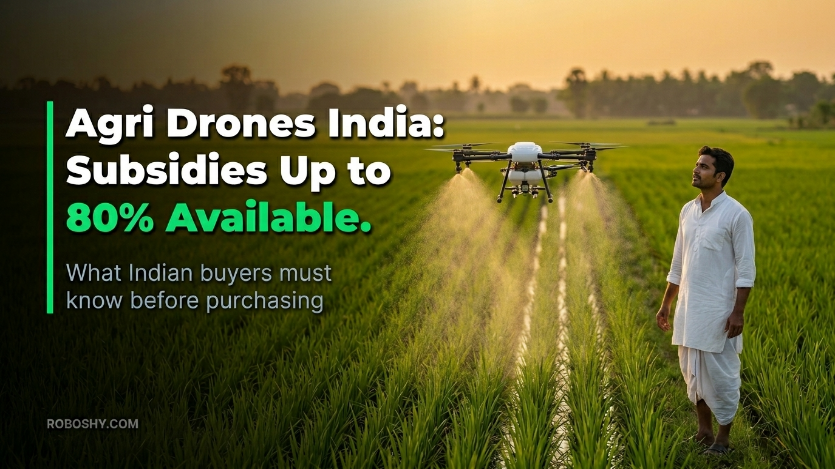
Drones and crop robots aid in seeding, spraying, and monitoring fields.
Automated farming machines reduce reliance on manpower while boosting yields.
Space, Defense & Exploration
With robots like Vyommitra and underwater survey bots, robotics is connecting with national goals, including space exploration, disaster recovery, and defense.
Talent & Skill Development
Institutes like IIT Delhi are launching advanced robotics programs to address the skills gap between new technology and industry needs.
Startup & Investment Boom
Robotics startups secured significantly more funding in recent years, such as $117M in 2024. This growth shows rising investor confidence and enables rapid innovation and scaling.
Key Trends Driving Robotics in India
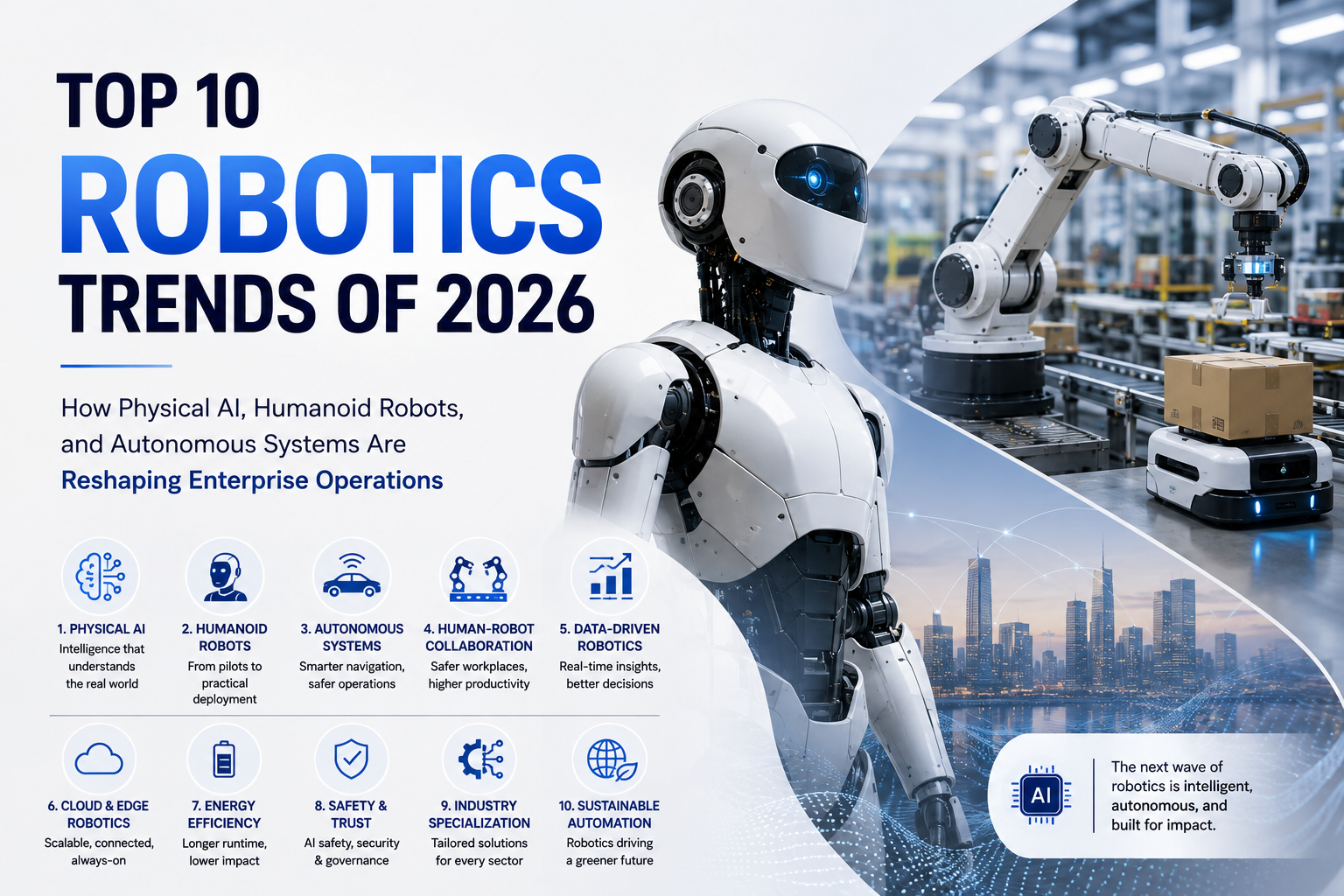
– AI-Powered Robots: Robots using AI for perception, planning, and autonomous decisions are becoming the norm.
– Autonomous Mobile Robots (AMRs): Vital for warehouses, hospitals, and retail automation.
– Human-Robot Collaboration (CoBots): Enhancing safety and productivity in small and medium-sized enterprises and industries.
– Service & Social Robots: Increasingly found in hospitality, health, education, and home services.
– Robotics Education: Expanding inclusion in STEM curricula to prepare for the future.
Why AI Came Fast by 2026 & Lessons from the Past 25 Years
By 2026, Artificial Intelligence became a major part of by daily life. Chatbots, Smart assistance, automated tools, and recommendation systems were every year.
Lesson from the Past 25 Years
The rapid growth of AI by 2026 may seem sudden, but it is the result of steady progress over the last 25 yeras.AI did not appear overnight. It developed slowly, supported by changes in technology, business and daily life.
The Internet Created the Foundation
In the yearly 2000, the internet became widely used. People began searching online, sending emails, sharing content, and using social media. These activities created massive amount of data.
This data later became essential for training AI systems. Without the internet and digital activity ,modern AI would not be possible.
Computing Power Increased Over Time
Earlier computers were limited in speed and storage. Over the years, hardware improved and cloud computing became available. This allowed machines to process large amounts of information efficiently.
Smartphones Expanded Daily AI Use
Smartphones brought technology into everyday life. Features such as voice search, face recognition, and content recommendations became common. Although users did not notice it, these features relied in AI and continuously improved through user integration.
Business Investment Accelerated Growth
From around 2015 onward, companies began investing heavily in AI. They funded research, hired skilled professional , and build large AI platforms.
Competition among companies helped speed up innovation and real-world use.
The Pandemic Increased Digital Dependence
During the COVID-19 pandemic ,work, education, and service moved online. Businesses needed faster and more efficiency systems to operate remotely. AI became an important part for automation, communication, and decision-making during this period.
AI Tools Became Simple and Accessible
A major reason for AI’s rapid stead in ease of use. Modern AI tools not require technological knowledge. Users can interact with them through text, voice and simple interfaces.
This accessibility led to widespread adoption across industries.
Key Lessons from the Past 25 Years
- Technological growth is often slow at first, then rapid
- Data plays a central role in AI Development
- Ease of use drivers mass adoption
- External events can accelerate technological use
- Long-term investment producers sudden results
Future Trends in Indian Robotics
– More use of AI-powered robots
– Growth of collaborative robots (cobots)
– Expanded use of service and social robots
– Wider adoption of robotics in small and medium-sized enterprises
– Strong emphasis on robotics education and research
Conclusion
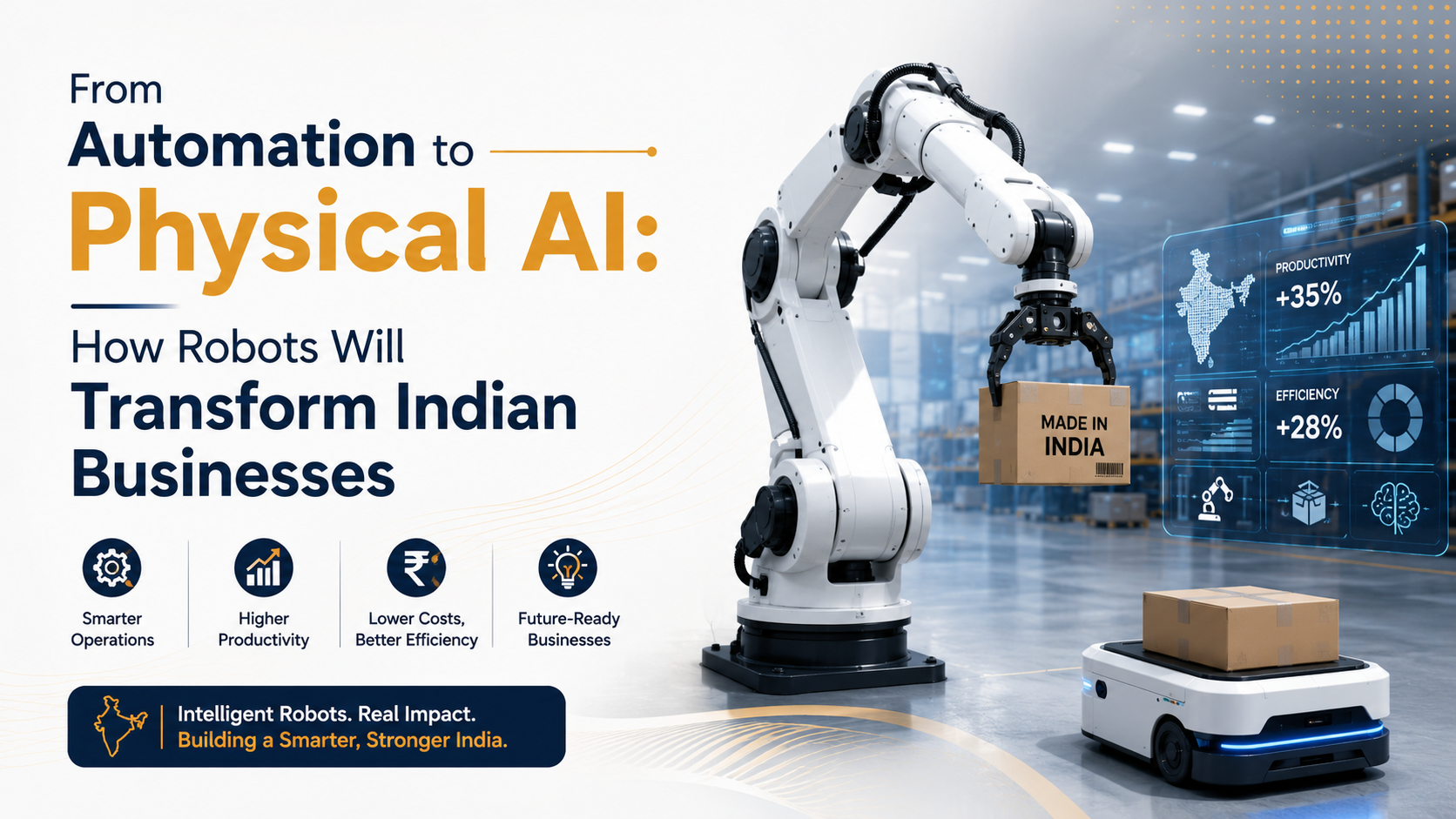
In 2026, India’s robotics ecosystem is varied, fast-growing, and strategically important. Industrial robots are boosting manufacturing output, while service and healthcare robots are enhancing daily life. Robotics is transforming how Indians work, learn, and live.
Companies, startups, and research institutions are laying the groundwork for next-generation automation, positioning India as a key player in the global robotics arena. Continuing investment, talent development, and AI integration will drive industrial competitiveness and economic growth in the coming decade. What is the future of robotics in India? Robotics will be vital in making India technologically advanced and globally competitive.
Frequently Asked Questions (FAQ)
Q1. What is robotics?
Robotics is a technology that involves designing and programming machines to perform tasks automatically.
Q2. Why is robotics important for industries?
Robotics increases productivity, improves accuracy, and reduces human effort.
Q3. Will robots replace human jobs?
No, robots will change job roles and create new skill-based employment opportunities.
Q4. Which industries use robotics in India?
Manufacturing, healthcare, logistics, agriculture, defense, and space research.
Q5. What is the future of robotics in India?
Robotics will be key in making India technologically advanced and globally competitive.
Q6. Can students build robots in India?
Yes. With university programs, including new robotics courses at IITs, hackerspaces, open-source platforms, and affordable microcontrollers, students can prototype and compete globally.
Q7. What skills are needed for a robotics career?
Core skills include:
– Mechanical design
– Embedded systems and electronics
– Computer vision and AI
– Controls and automation
– Software engineering
Q8. Are humanoid robots real in India yet?
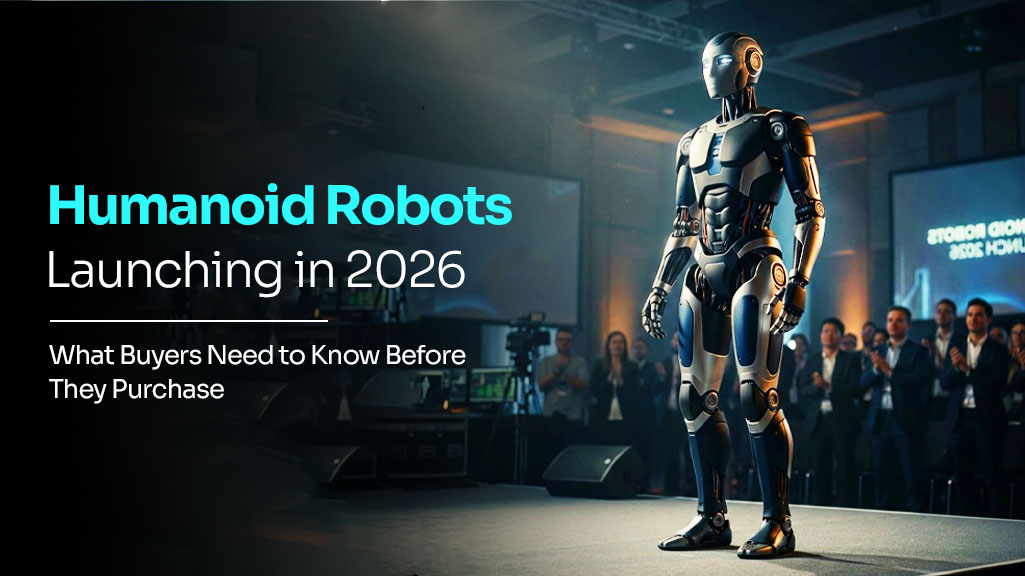
Yes. Prototypes like Sherpa Mecha show industry-focused humanoid designs. Other institutional and startup projects aim to enhance practical humanoid use over the next few years.
Q9. Where are robots most common in India today?
Automotive plants, large manufacturing units, logistics warehouses, and research labs are primary users. Service robots are appearing in airports, hotels, and hospitals.
Q10. How much is India investing in robotics?
Over ₹5,000 to ₹6,000 crore per year in research and development, and industrial deployment.
Q11. Are robots affordable for SMEs?
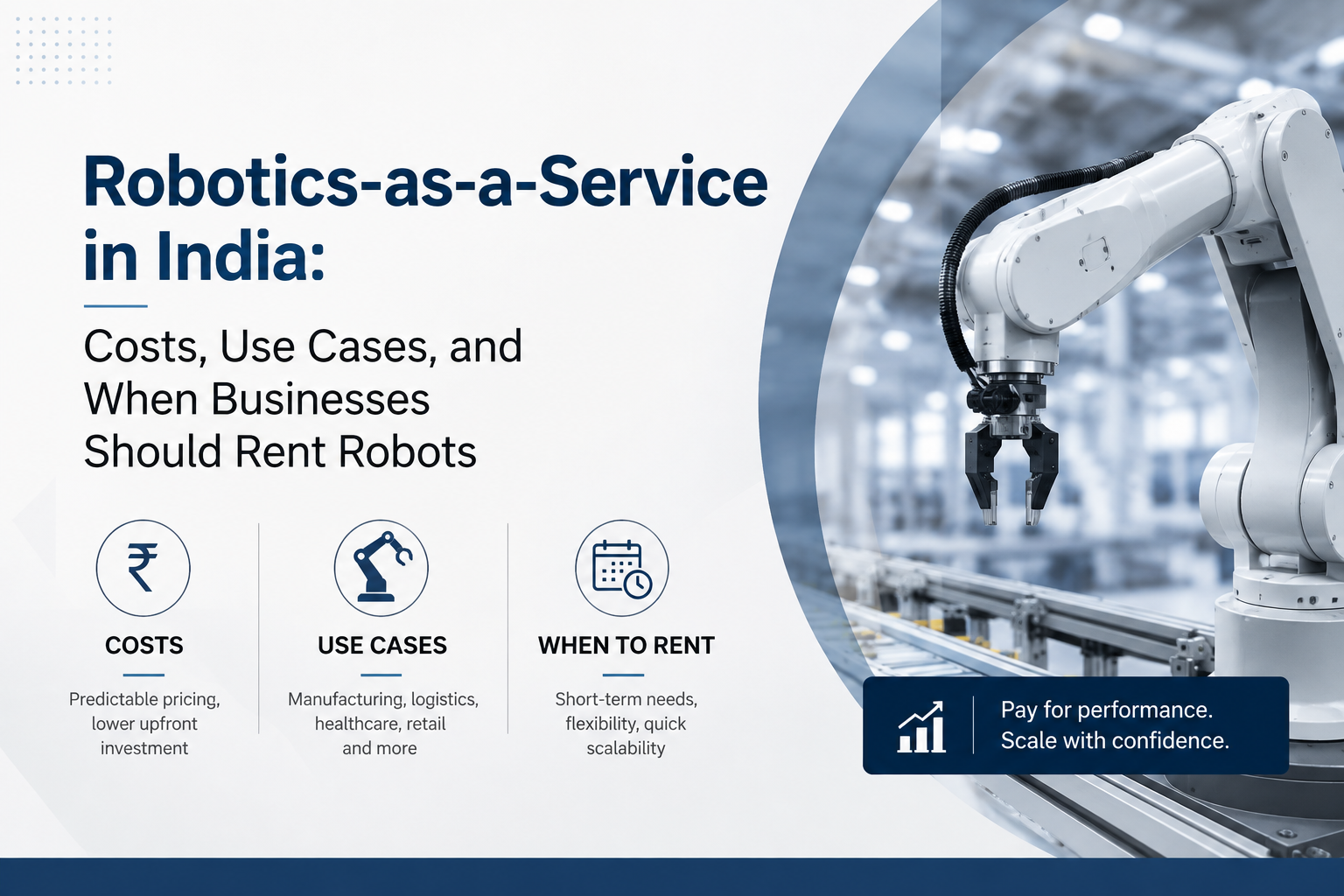
Yes. Smaller modular robots and leasing models make automation accessible for small and medium-sized enterprises.